Germany showed its safe-haven credentials this week, as fixed-income investors sought refuge in German bunds amid a wider rout in government bond markets. Can the same be said for German real estate?
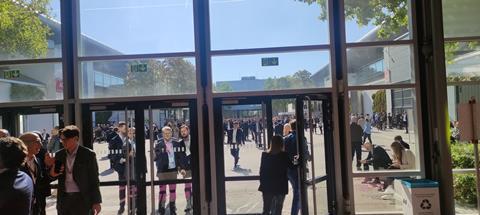
This will be a question for the thousands of real estate professionals attending the trade halls of Expo Real in Munich this week. The German commercial property market has experienced a tough few years, with office prices, for example, falling around 46% from their peak in 2022, according to MSCI.
Things could be able to change, with the market back on the radar of investors. β€œGermany is one of our top picks right now because of the lack of liquidity,β€ Jorge Duarte, managing director and head of equity portfolio management Europe at , told ΒιΆΉΣ³» Real Assets in Munich. β€œIt has perhaps been neglected by investors over the last few years, but we have seen a quite significant pricing correction across all sectors.β€
Recent news also suggests capital is flowing into – and positioning itself for – German real estate. BauMont Real Estate Capital, the value-add fund manager owned by M&G Real Estate, has entered the German market by acquiring a €70m residential asset in Munich alongside local operating partner Reneo. Norges Bank Investment Management (NBIM), which manages Norway’s sovereign wealth fund, has teamed up with to invest in offices in Germany, while has taken over the asset management of the Axel Springer Campus, the headquarters of Axel Springer in Berlin. Elsewhere, Rockfield and Ardian have acquired a majority stake in The Social Hub Berlin.
Although German bunds have recently outperformed other government bonds, their yields have risen significantly. And generally speaking, rising bond yields is always a headwind for real estate allocations and affects how investors price the asset class on a relative basis.
But there can be room for nuance within the asset class. Heightened German bund yields mean that German commercial real estate β€œnow screens as offering a β€˜subpar’ return after accounting for riskβ€, according to a report by Oxford Economics. β€œBut not all sectors are created equal: industrial and hotels still screen as fairly valued, while retail, residential and office screen β€˜subpar’.β€
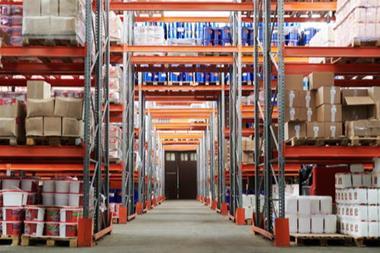
Oxford Economics expects industrial to be Germany’s best-performing commercial real estate sector over the next five years, generating average unlevered returns of 6.7% per year between now and the end of the decade. β€œGreater defence spending, nearshoring and e-commerce’s continued expansion will support demand,β€ the report says. β€œThe German defence industry is a bright spot in the country’s struggling economy.β€
To read the latest ΒιΆΉΣ³» Real Assets magazine click here.