


The UK’s decision to leave the EU will trigger lower real estate investment volumes in the UK but the rest of Europe is on target to see growth of 10%, according to a new report from Cushman & Wakefield.
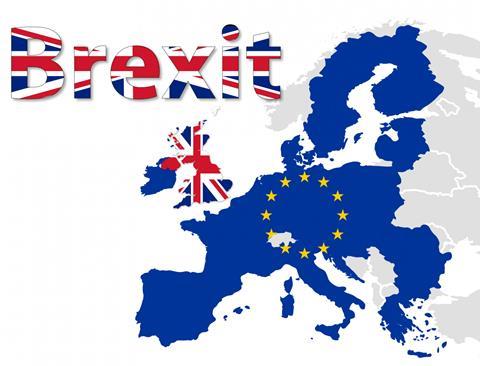
UK investment volumes are forecast to settle at a notably lower level than in 2014/2015 which will offset higher volumes elsewhere, driving a modest fall in pan-European trading.
Given the importance of the UK, this translates into a 6% drop for the EU overall, which compares to projections for a 9% gain assuming the UK vote had been to remain.
The report, Brexit & The European Property Investment Market, predicts that in the short term the result is more likely to affect overall activity levels than prime values, with the latter supported by limited supply and lower interest rates. Supply will be key to determining activity, but prime yields, at least outside the UK, are likely to fall further, the report states.
While the market faces a continuation of the recent investment environment in terms of high but cautious demand focused on core areas, the steady expansion of interest towards new markets may slow or higher yield premiums will be demanded. As a result, the prime to secondary yield gap may widen, pushed also by a more notable two-tier financing market.
'Some players will hope to stand back to see how the situation develops but for many there is a need to act with investment capital building up and secure homes for investment needed,' said David Hutchings, report author and head of EMEA Investment Strategy at Cushman & Wakefield. 'Importantly, however, this is not akin to the aftermath of the collapse of Lehman’s or the eurozone crisis - we now have different opinions being voiced on what is likely to happen and these differences should create a more active market of buyers and sellers as events progress.'
In terms of what this means for investment strategy, some themes are already emerging, added Hutchings. 'Investors should be poised to take advantage of uncertainty or market overreactions where possible, and alert to any shifts in sentiment and geopolitics such as greater alignment with Asia.'