

Online booking sites for private short-stay rentals such as Airbnb are here to stay and should be embraced by the wider hotel sector, a PropertyEU investment briefing at the Provada real estate fair in Amsterdam has heard.


Dirk Bakker, partner and director of hotels at Colliers International, said the rapid growth of Airbnb was fuelled by a surge in demand from global travellers, and the trend was set to continue.
Colliers and Hotelschool The Hague published research this week on the dizzying rise of Airbnb in Amsterdam, where the number of nights booked through the site has increased by 475% in the past year.
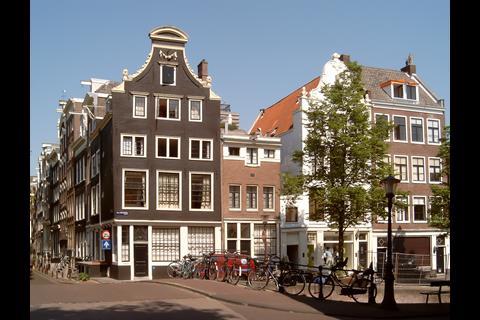
Amsterdam's municipal government has introduced various measures to try to limit online bookings in response to complaints about noise and other disturbances caused by tourists to residential areas, as well as concerns about the effect on the housing market. The city has restricted the amount of time a flat can be rented to tourists to 60 nights a year and is considering further constraints, including giving residents’ associations the legal right to ban Airbnb lettings outright.
Speaking at a panel discussion on alternative investments, Bakker said such moves were unlikely to dent Airbnb’s prospects because the underlying demand was too great. Existing hoteliers should stop viewing the site as a threat and accept it as a feature of the landscape, he added.
'It's not a problem so much for the hotel industry, because the increase in travel around the world is so tremendous that the supply just can’t keep up,' said Bakker. 'That's why Airbnb can grow so fast.'
One interesting detail to emerge from Colliers' research was that the prices charged on Airbnb were almost on a par with hotel rates, despite fears within the industry that hotels would be unable to compete with private homeowners. The average price for a night's stay on Airbnb was €143 per night, compared to €147 in a hotel.
Bakker said the huge demand was driving up prices in the city centre, where the average room rate has gone up by €50 a night in the last two years. 'That's phenomenal, it's heading towards London and Paris levels,' he said. 'What's happening is that hotel owners are demanding more and more money because they think there’s a scarcity.'
The local authority's attempts to curb tourism by refusing to issue new permits for hotels in the city centre were only exacerbating the problem, argued Bakker. 'People who come to Amsterdam are not coming to see Diemen South or Sloterdijk Central. They're coming to see the canal area, full stop. Airbnb is just going to increase in that area and we’re going to hear even more roller suitcases in the streets.'